How to Prepare Your Home for Pest Control Services
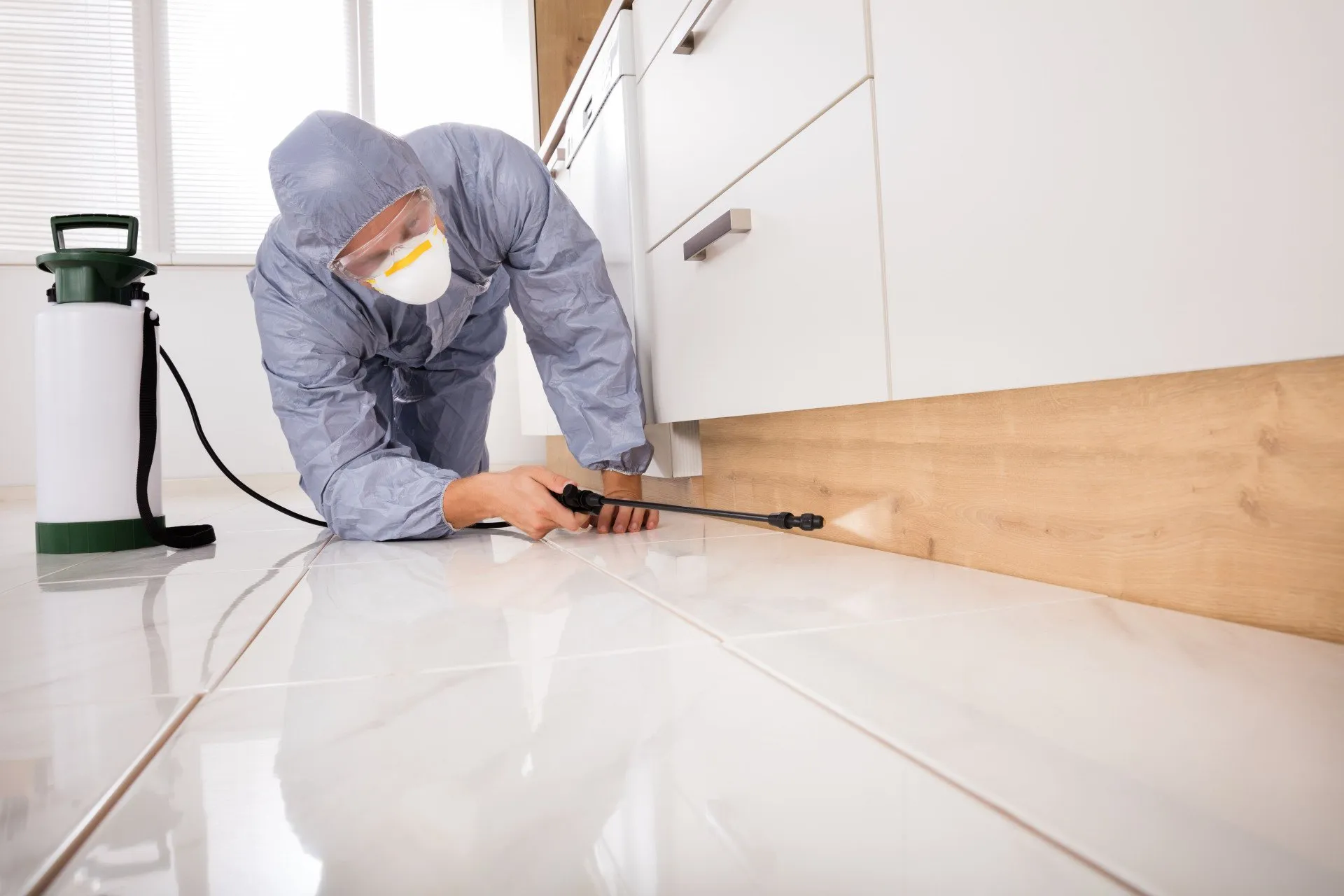
Scheduling Pest Control Services is only half the job. What happens before the technician arrives often determines how effective the treatment will be, how long it lasts, and whether you end up needing a repeat visit sooner than expected. Homeowners are sometimes surprised by how much preparation matters. The products, tools, and methods may be professional grade, but even the best treatment can be slowed down by clutter, blocked access, unwashed surfaces, or simple miscommunication about pets and problem areas.
Preparation is not about making your home look spotless for a visitor. It is about giving the technician a clear path to inspect, identify activity, and treat the right places safely. In real service calls, the difference between a well-prepared home and an unprepared one is obvious within minutes. In one house, the source of a roach issue is found quickly behind a refrigerator with easy access to the wall void and plumbing line. In another, the same inspection takes three times as long because the kitchen is packed, the lower cabinets are full of loose items, and the homeowner forgot to mention that bait was already placed by a store-bought product two days earlier.
A little work ahead of time saves time, protects your belongings, and helps the treatment perform the way it is supposed to.
Start by asking what kind of treatment you are getting
Not all pest visits are alike, and preparation should match the service. A general perimeter treatment for ants or spiders requires a different setup than bed bug treatment, flea service, rodent control, or a German cockroach cleanout. The most common mistake homeowners make is assuming every appointment needs the same checklist.
Before the appointment, ask the company exactly what the technician plans to do. Will they treat inside, outside, or both? Are they applying liquid materials, baits, dusts, traps, or heat? Do cabinets need to be emptied? Do pets need to be out of the home for a few hours, or only kept away from treated areas until surfaces dry? If you have children, aquariums, reptiles, or sensitive family members, mention that early. A reputable company should be able to explain preparation in plain language, not just send a generic reminder.
This step matters because the right preparation is specific. For a mouse problem, clearing under sinks and along garage walls is useful. For termites, attic or crawl space access may be more important. For fleas, vacuuming fabric surfaces before and after treatment can be critical. If you prepare for the wrong type of service, you may spend energy in places that do not matter and miss the ones that do.
Give technicians access to the places pests actually use
Pests rarely stay in the middle of an open floor. They follow edges, hide behind stored items, move through gaps around pipes, and settle in dark areas with moisture, food, or warmth. That is why access matters so much.
In kitchens, pull small movable items off the floor and away from the toe kicks under cabinets. If possible, create enough space for the technician to inspect behind the refrigerator and stove. Those two areas are often more important than a sparkling countertop because heat, crumbs, grease, and condensation make them prime shelter for roaches and ants. If you have seen activity under the sink, remove the cleaning bottles, paper goods, and bins stored there so the plumbing entry points are visible.
In bathrooms, clear out the base of the vanity if there has been insect activity there. In laundry rooms, move detergent baskets or stacks of supplies that block corners and wall lines. In garages, a home does not need to be empty, but there should be a workable path to the walls where pests travel. Rodent technicians, in particular, need to inspect garage perimeters, water heater lines, utility penetrations, and stored boxes along the floor.
Bedrooms usually require less preparation for standard service, unless the issue involves bed bugs, fleas, or roaches that have spread beyond the kitchen. For bed bug work, follow the company’s instructions carefully because the prep can be extensive and highly specific. For ordinary preventive service, the technician may only need access to baseboards, windows, and any reported activity near furniture.
A good rule is simple: if a technician cannot see or reach a likely harboring area, that area probably cannot be treated properly.
Clean with purpose, not perfection
Homeowners sometimes go into a deep-clean spiral before Pest Control Services arrive. Some cleaning helps. Some works against the treatment.
The useful kind of cleaning removes the things that support pest activity. Wipe up grease near the stove. Pick up pet food. Take out trash. Vacuum crumbs under dining furniture. Fix standing water in sinks or trays. These steps reduce competing food sources and make baiting or treatment more effective. They also help the technician distinguish fresh pest evidence from old debris.
What does not help is aggressive cleaning right after treatment, especially along baseboards, in corners, under appliances, or anywhere product has been applied. Many residual products need time on the surface. If you mop them away the same day, you shorten their performance. The technician should tell you what can be cleaned, what should be left alone, and for how long.
There is also a middle ground that people often miss. If your home has severe roach activity, especially in the kitchen, basic sanitation before service is important, but a complete overhaul is not always realistic in one afternoon. In that case, focus on food residue, sink areas, and clutter around known hot spots. A skilled technician can usually work with that, as long as the problem areas are accessible and honestly described.
Store food, dishes, and small personal items where they belong
One of the easiest ways to prepare is to put loose items away. This is especially helpful in kitchens and bathrooms where technicians may treat cracks, crevices, and cabinet interiors depending on the target pest.
Countertops should be reasonably clear. That does not mean empty and staged like a real estate photo, but small appliances, open food packages, drying racks, and stacks of mail should not block access. If treatment will occur inside cabinets or drawers, store dishes, utensils, and pantry items as instructed by the company. Sometimes removal is necessary. Sometimes it is not. Again, the treatment type matters.
Children’s toys, pet bowls, toothbrushes, and cosmetic items deserve special attention. It is easier and safer to move them than to worry later about whether overspray or dust drifted near them. In homes with heavy activity, people often forget about fabric pet beds, reusable shopping bags, and open snack bins in mudrooms or family rooms. Pests do not limit themselves to the kitchen if food and shelter are available elsewhere.
If you are unsure what needs to be covered or removed, ask before the visit. Most companies would rather answer a few practical questions the day before than lose time sorting it out on site.
Plan for children, pets, and people working from home
This is where practical preparation and safety overlap. Most residential pest treatments are manageable with simple precautions, but those precautions matter. Technicians need room to work without a toddler walking through a freshly treated doorway or a dog nosing around bait placements.
Pets should be secured before the appointment begins. For some services, keeping them in an untreated room is enough until products dry. For others, especially broad interior treatments or flea service, it may be better for animals to be out of the home for several hours. Birds, fish, reptiles, and small mammals should be discussed in advance because they can be more sensitive and may need extra protection or relocation during service.
Work-from-home households need planning too. If you are taking calls all day in a home office, let the technician know. It is usually possible to work around a schedule inside the house, but not if the room with the strongest pest activity is the one you cannot leave. The same applies to nap schedules, medical equipment, or family members who are sensitive to odors. Good service is flexible, but only if the information is shared early.
Be honest about what you have seen
A technician can do a lot in a short visit when the homeowner gives accurate information. Vague statements like “I think we saw something in the kitchen once” are less useful than “we see small tan roaches after 10 p.m. Behind the coffee maker and under the sink.” Details save time and improve targeting.
Try to note where pests appear, when they appear, and what they look like. Ants in the bathroom after rain suggest a different pathway than ants on a pantry shelf. Mice droppings under the utility sink point to a different entry route than scratching sounds above a bedroom ceiling. Wasps near a second-story eave call for a different setup than yellowjackets going in and out of a ground hole.
Photos help more than many homeowners realize. If you can safely take a clear picture of the pest, the nest, droppings, or damage, keep it ready on your phone. Identification errors are common. Many people call every small bug a bed bug or every large roach a sewer roach, and those labels can send treatment in the wrong direction. Technicians appreciate specifics because pests do not all respond to the same approach.
Handle clutter before the appointment, especially near walls
Clutter is not just a housekeeping issue. It creates hidden runways, shelter, and treatment barriers. Cardboard boxes, laundry piles, paper stacks, and overstuffed storage areas are especially attractive to certain pests. Roaches, silverfish, spiders, and rodents all benefit from homes that provide narrow, undisturbed spaces.
You do not need to empty every closet in the house. Focus on the areas where activity has been seen and the zones technicians are most likely to inspect. Pull stored items a short distance from walls if possible. In garages and utility rooms, lifting boxes off the floor can make a difference because droppings, gnawing, and travel paths become visible. In kitchens, even clearing the floor under a baker’s rack or rolling cart can reveal why an issue keeps returning.
There is also a psychological side to this. When clutter is reduced, homeowners are more likely to notice fresh signs after treatment. That makes follow-up conversations far more useful. Instead of saying, “I still think they’re around somewhere,” you can say, “we found new droppings behind the freezer but nowhere else.”
Know what not to do right before service
Well-meaning last-minute decisions can undermine the visit. Store-bought foggers, random sprays, and bleach-heavy scrubbing often make diagnosis harder. Foggers can scatter pests deeper into walls. Repellent sprays can push insects away from bait placements. Strong cleaning chemicals can erase evidence the technician needs to see, including droppings, trails, fecal spotting, and harborage odors.
The same goes for moving infested items from room to room without a plan. This is common with bed bugs and roaches. A bag of clothing or a small appliance moved to another part of the house can spread the issue. If you suspect a serious infestation, ask the company how to handle laundry, storage bins, or discarded materials before you start shifting them around.
If you have had a previous service by another company, mention it. Residual products, bait placements, and traps matter. Some combinations are fine, some are not, and some can reduce effectiveness if applied too close together.
A practical prep checklist
Use this as a general guide, then adjust based on the company’s instructions for your specific service.
- Clear access to baseboards, under sinks, behind appliances, and any area where pest activity has been seen.
- Put away exposed food, dishes, toys, pet bowls, and personal care items near treatment zones.
- Vacuum crumbs, wipe food residue, and remove standing water, but do not over-clean in a way that erases visible pest evidence.
- Secure pets and plan around children, remote work, or anyone who may need to avoid treated areas.
- Write down sightings, timing, sounds, smells, and locations so the technician gets accurate information fast.
Outdoor preparation is often overlooked
Homeowners tend to think of preparation as an indoor task, but exterior access is just as important for many Pest Control Services. If the technician cannot reach the foundation, eaves, crawl space entrance, gate, or utility lines, the service becomes partial by default.
Trim heavy vegetation that rests against the house if you can do so safely. Move planters, stored lumber, or decorative items that block direct treatment around the foundation. Pick up pet waste in the yard. Unlock side gates and make sure the technician can reach fence lines, detached garages, or sheds if those areas are part of the service. If you have seen wasp activity, do not try to knock down the nest beforehand. Simply point it out.
Outdoor lighting deserves a mention because it quietly drives many insect complaints. Bright entry lights attract night-flying insects, which then attract spiders, geckos, and sometimes rodents. That does not mean you need to redesign your exterior lighting before a service visit, but if a technician points out a light-related insect pressure point, it is worth hearing them out. Sometimes changing a bulb type or adding a little distance from the doorway does more than another spray.
After the service, your role is not over
Preparation gets the home ready for treatment, but follow-through helps the results hold. Listen carefully to the post-service instructions. They are rarely generic. One home may need to avoid mopping for a certain period. Another may need follow-up vacuuming for fleas. A third may need exclusion work, such as sealing a gap under a garage door or replacing torn vent screening, because no chemical treatment can solve an active entry point forever.
This is also the time to ask what level of activity is normal after treatment. Some pests become more visible for a short period. Others should drop off quickly. For example, with roach baiting, you may continue to see some activity for days or even a couple of weeks depending on severity, but the pattern should change. With ants, interior trail activity may fluctuate briefly if a colony is being disrupted. With rodents, trap checks and exclusion timing matter more than instant disappearance.
If the company recommends a follow-up, treat that as part of the original plan, not as a sign that the first visit failed. Some pest problems are solved in one service. Others, especially established infestations, are managed in stages.
Common prep mistakes that cost people time and money
The most expensive mistake is often not a dramatic one. It is the small failure to prepare the areas that matter most. A technician arrives for a cockroach service, but the kitchen sink cabinet is packed floor to ceiling and the stove cannot be pulled out even six inches. The treatment still happens, but only partially. A week later the homeowner is frustrated because activity dropped but did not stop. That is not always a product failure. Sometimes it is an access failure.
Another common issue is treating the appointment like a repair visit rather than a partnership. Pest control works best when sanitation, exclusion, habitat reduction, and targeted treatment all support each other. If moisture remains under the sink, pet food stays out overnight, or a door https://jsbin.com/?html,output sweep has a half-inch gap, the chemical portion of the job carries too much weight by itself.
Then there is the opposite problem, over-preparing in ways that interfere with the service. People sometimes seal every crack with caulk the night before a rodent inspection, or they spray every ant trail with a scented cleaner just before the technician arrives. It feels productive, but it can hide the evidence needed to identify the actual route of entry.
When preparation needs to go further
Some situations call for more than the usual tidy-up. Heavy German cockroach infestations, bed bug treatments, flea problems, and rodent issues in cluttered storage areas often require deeper preparation. The company may ask you to launder linens on high heat, bag belongings, declutter room perimeters, empty selected cabinets, or vacate for a set period.
If that level of prep feels overwhelming, say so. Good companies would rather break the process into manageable steps than show up to a home that is not ready for the treatment promised. In some cases, the best decision is to reschedule and prepare properly rather than rush through a visit that cannot be completed well.
Professional service is most effective when the home is ready for it. That readiness is not about appearance. It is about access, safety, accuracy, and follow-through. When those pieces are in place, Pest Control Services have a much better chance of solving the actual problem rather than just treating around it.
Affordable Pest Solutions LLC
Phone number: +19732299547
FAQ About Pest Control Services
How much does pest control charge?
For a standard 1,500-square-foot home, professional pest control charges generally average $100 to $300 for an initial visit, with ongoing monthly services running $40 to $75 per visit and one-time emergency exterminations costing $100 to $600, depending heavily on the specific pest and the severity of the infestation.
What is the hardest pest to get rid of?
Bed bugs are widely considered the hardest household pest to get rid of, closely followed by German cockroaches and subterranean termites.
What is included in a pest control service?
A standard pest control service includes a property inspection, targeted treatments, and prevention advice. It typically covers common pests like ants, spiders, and cockroaches, using sprays, baits, or traps.