Integrated Pest Control Services for Lasting Results
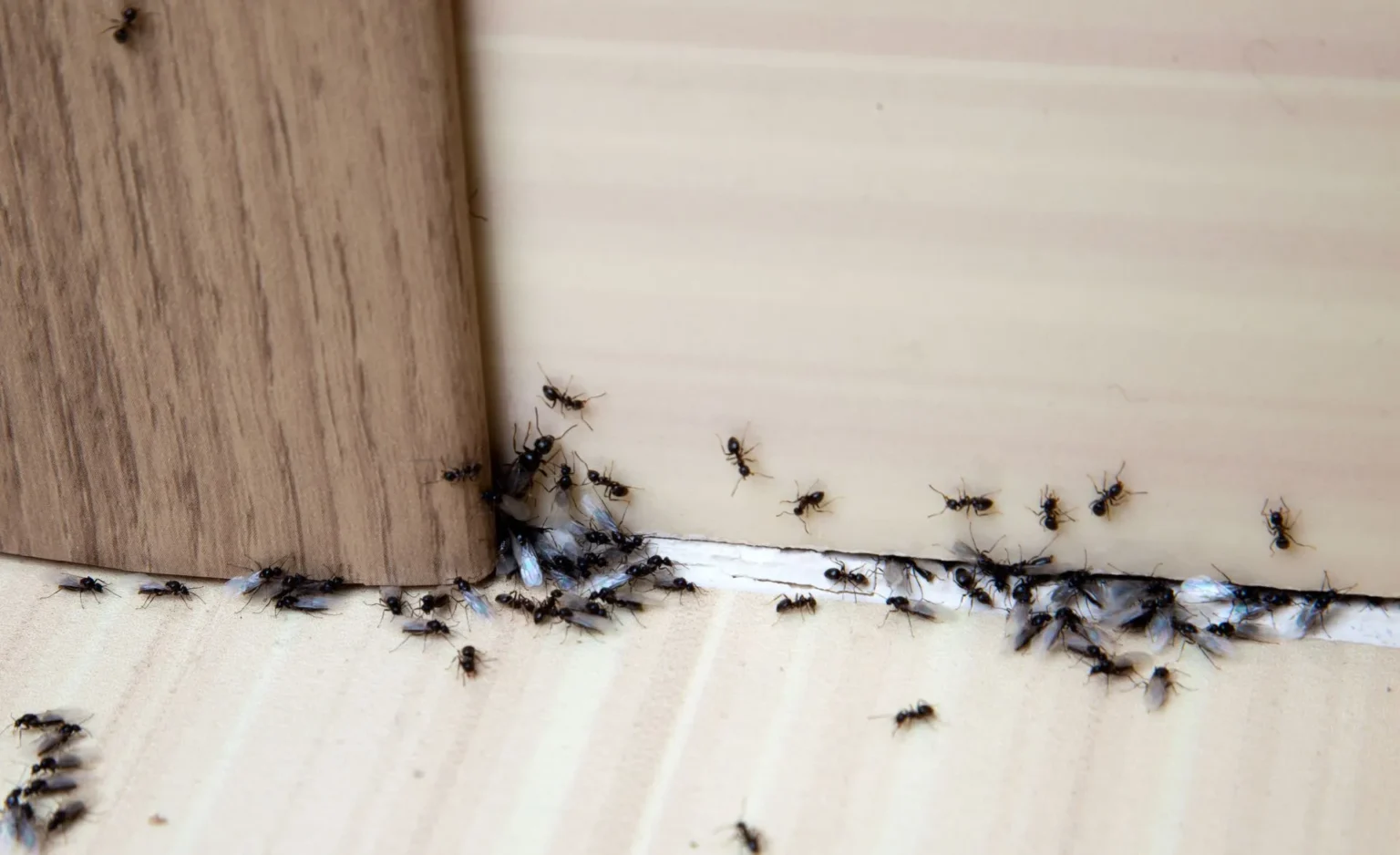
Anyone who has managed a home, commercial building, restaurant, warehouse, or multi-unit property knows a hard truth about pests. Quick fixes feel satisfying for about a week. Then the ants find a new route, the roaches shift deeper into wall voids, or the rodents learn to avoid the bait station that looked so promising on day one. Lasting results come from a different mindset. They come from integrated pest control services, where inspection, exclusion, sanitation, monitoring, targeted treatment, and follow-up work together as a system.
That word, integrated, matters. It means pest control is not reduced to a spray visit or a single product. It means Pest Control Services the service adapts to the pest, the structure, the season, and the level of risk. It also means the technician has to think beyond what is visible during one appointment. The problem you see in the kitchen may actually begin at the loading dock. The flies inside a dining room may trace back to a floor drain, a dumpster gap, or moisture trapped in a mop closet. Good pest control is part detective work, part building science, and part disciplined maintenance.
Why one-time treatments rarely hold up
Pests survive because they exploit patterns. They follow moisture, warmth, shelter, and food. A one-time treatment may knock down active insects, but if the conditions that support them remain in place, the infestation often rebounds. This is especially common with cockroaches, rodents, stored product pests, and bed bugs. Even with ants, which many people assume are simple to eliminate, the visible trail is often only a fraction of the colony's activity.
I have seen this in facilities that spent money every few months on emergency service calls while ignoring the root causes. One restaurant dealt with recurring German cockroach activity for nearly a year. Different products were applied at different times, but the issue kept resurfacing. The real problem was not that the chemicals failed. The real problem was a combination of grease build-up behind a cook line, a leaking ice machine connection, cardboard storage near a warm compressor, and unsealed pipe penetrations that gave roaches protected travel routes. Once those conditions were corrected and the treatment plan shifted to monitoring and targeted applications, activity dropped sharply and stayed down.
Integrated pest control services aim to break that cycle. They do not treat pests as isolated events. They treat them as symptoms of access, habitat, and survival pressure inside a specific environment.
What integrated pest control actually includes
At its best, an integrated program is not complicated for the client, but it is methodical behind the scenes. A technician or service team begins by identifying the pest accurately. That sounds basic, yet it is where many wasted treatments begin. Small flies are a good example. Drain flies, fruit flies, fungus gnats, and phorid flies can all appear similar to an untrained eye, but the source and control strategy differ significantly. If identification is wrong, everything that follows becomes less effective.
After identification comes inspection. A proper inspection is broader than the room where activity was reported. It includes the exterior perimeter, utility entry points, voids, moisture zones, roof lines when relevant, waste handling areas, and hidden harborages. In commercial settings, the inspection should also account for receiving practices, inventory rotation, janitorial routines, and employee habits. Those operational details matter more than many people realize.
The next step is building a plan that combines non-chemical and chemical methods in the right order. Exclusion may come first if rodents are entering through obvious gaps. Sanitation may lead if small flies are breeding in organic residue. Monitoring devices may need to be installed before treatment if the infestation is diffuse and requires mapping. Chemical tools still have an important place, but they are most effective when used precisely, in the right formulation, and in conjunction with the corrective work that reduces reinfestation.
Follow-up is what separates a service visit from a service program. Pest pressure changes over time. Weather shifts movement patterns. Construction nearby can displace rodents. Seasonal moisture can increase occasional invaders. Staff turnover can undermine sanitation in a food business. Without follow-up, small warning signs are missed until they become expensive.
The value of inspection, which is where real control begins
Many clients understandably focus on what will be applied. Professionals often focus first on where pests are living and why. That difference in perspective is important. Inspection is not a delay before treatment. It is the foundation of treatment.
A strong inspection usually looks for four things at once: entry, food, water, and harborage. Rodents need surprisingly little space to get indoors. A gap under a door, a damaged vent screen, or a utility penetration with soft sealant can be enough. Cockroaches thrive near water and heat, which is why they cluster around dish machines, prep sinks, motor housings, and refrigeration condensate pans. Ants often exploit structural edges, plumbing chases, or landscaping that touches the building. Stored product pests can spread from a single neglected pallet or from old product trapped under shelving.
In one warehouse, moth complaints kept appearing in different aisles, which made the issue seem widespread and hard to pin down. The turning point came during a deeper inspection of high shelving and spill zones. Several torn bags of dry goods had leaked into pallet racking and gone unnoticed during routine cleaning. Once the contaminated stock was removed, the racks were cleaned thoroughly, and pheromone monitors were used to track remaining activity, the pest pressure fell to manageable levels. Spraying open aisles would never have solved that problem.
Integrated pest control services place inspection at the center because the structure itself is part of the pest equation. Materials, drainage, landscaping, maintenance standards, and occupancy patterns all shape the result.
Exclusion does more for long-term prevention than most people expect
If I had to name the most underestimated part of a pest program, it would be exclusion. Clients often notice treatment, because it is visible. They do not always notice that the most durable gains come from stopping pests at the threshold.
Exclusion includes sealing gaps, repairing weather stripping, screening vents, fitting door sweeps, closing wall penetrations, correcting damaged siding, and addressing roof or foundation vulnerabilities. For birds and wildlife, it may also involve netting, spikes, chimney caps, or hardware cloth in targeted locations. The exact materials matter. A quick foam fill in the wrong place may not stop rodents for long. A poorly installed sweep can leave enough space for mice to slip through. A rusting screen near a moist exhaust area may fail within a season.
The strongest service providers pay attention to how a building is used, not just how it is built. A rear delivery door propped open for twenty minutes at a time creates a different risk than a sealed office entrance. A garden center with irrigation overspray along the foundation invites different pest pressure than a dry retail suite. A food facility with dock levelers and frequent shipments needs more robust exclusion planning than a small clinic.
This is where professional judgment matters. Not every crack requires the same response. Not every site needs the same level of hardening. The goal is not to turn a building into a bunker. The goal is to reduce meaningful access points and make the environment less forgiving to pests.
Sanitation and moisture control, the quiet drivers of success
People sometimes hear the word sanitation and assume blame is being assigned. In practice, sanitation in pest control is a technical issue, not a moral one. Even well-run properties develop hidden accumulations, overlooked residues, and moisture pockets. Those conditions are enough to support serious pest activity.
German cockroaches can survive on thin films of grease or tiny food particles hidden under equipment legs and splash zones. Rodents are opportunistic and will revisit areas where crumbs, pet food, or waste residue remain consistent. Drain-associated flies may breed in organic build-up that is not visible from above. Pantry pests can persist in forgotten product dust under shelving, inside cabinet corners, or along packaging seams.
Moisture is equally important. Leaks, condensation, poor ventilation, clogged drains, and irrigation errors create ideal conditions for many insects. In apartments and healthcare environments, moisture issues often explain why one unit has repeated problems while the neighboring one does not. In crawl spaces and basements, chronic dampness can support springtails, centipedes, ants, and occasional invaders that become a nuisance indoors.
The most effective pest control recommendations are usually specific. Clean behind the fryer is too vague. Remove lower kick plates, degrease the wall-floor seam, and dry the area nightly is actionable. Fix the leak is not enough if the leak is intermittent and hidden. Trace the moisture staining under the prep sink trap, insulate the sweating line, and verify airflow to the cabinet is much more likely to solve the issue.
Monitoring turns pest control from reactive to informed
Monitoring devices are one of the least glamorous parts of a pest program, yet they are often what make long-term control possible. Glue boards, mechanical traps, pheromone lures, insect light traps, and digital monitoring systems all serve the same purpose. They tell you where activity is happening, how much is happening, and whether interventions are working.
That information matters because pests are not evenly distributed. In a large facility, activity may concentrate near one dock door, one break room, one wall void, or one product line. Without monitoring, service can become broad and unfocused. With monitoring, it becomes targeted.
A useful integrated program typically relies on monitoring to answer practical questions such as these:
- Is the infestation active, declining, or spreading?
- Are pests entering from outside or breeding indoors?
- Which areas need corrective attention first?
- Is the chosen treatment producing measurable results?
- When should service frequency be adjusted?
The key is consistency. A monitor checked irregularly tells only part of the story. A monitor moved casually from place to place loses trend value. In regulated industries, those details matter even more because records may support audit readiness and corrective action plans.
Targeted treatment still matters, but precision matters more
Integrated pest control is sometimes misunderstood as avoiding pesticides entirely. That is not accurate. Professional programs often use chemical tools, but they use them with greater precision and restraint. The goal is not maximum application. It is maximum effect with the least necessary disruption and exposure.
Different pests call for different treatment strategies. Crack and crevice applications may be appropriate for cockroach harborages. Baits can be highly effective for ants and some roach situations when competing food sources are controlled. Dusts may be useful in inaccessible voids if placed correctly. Rodent control may combine tamper-resistant bait stations outdoors with mechanical trapping indoors, depending on the setting and regulations. For bed bugs, success often depends on a tightly managed combination of inspection, vacuuming, steaming, encasements, targeted products, and repeated follow-up rather than any single method.
This is where experience shows. Overapplying the wrong material can scatter pests, contaminate bait acceptance, or create a false sense of progress. Treating visible foragers while missing the nesting source is another common mistake. So is using a broad residual product where a baiting strategy would have been cleaner and more effective. Good technicians understand not only what a product can do, but what it cannot do on its own.
In sensitive environments such as schools, medical offices, childcare settings, and food production areas, precision becomes even more important. Application timing, product selection, placement, and documentation all deserve careful attention.
Homes, restaurants, warehouses, and offices do not need the same program
One reason generic service plans underperform is that pest pressure is deeply tied to use patterns. A suburban home with seasonal ant issues and occasional mice in winter requires a different approach than a 24-hour bakery or a distribution center receiving imported goods.
Residential work often revolves around perimeter vulnerabilities, attic mosquito control services and crawl space conditions, landscaping contact, food storage habits, and moisture around kitchens and bathrooms. Family routines matter too. Pet feeding, clutter levels, bird feeders, compost bins, and even decorative mulch choices can influence results.
Restaurants and food service operations face a different reality. Heat, grease, constant deliveries, and daily waste generation create ideal pest opportunities. In those settings, integrated pest control services succeed only when the service provider and the client operate as partners. A technician can identify pressure points, but line cleaning, drain care, stock rotation, and door discipline determine whether the gains hold.
Warehouses bring another set of variables, especially with high racks, shifting inventory, dock traffic, and inconsistent housekeeping in hard-to-reach zones. Pest issues can travel with incoming materials. Monitoring, inspection of inbound goods, and spill response become essential.
Office settings often have lower food and moisture pressure overall, but they are not exempt. Break rooms, janitorial closets, potted plants, vending areas, and perimeter gaps can still support infestations. In multi-tenant buildings, shared walls and utility pathways complicate control because the problem may cross suites.
The point is simple. Lasting results do not come from a standard script. They come from matching the program to the site.
What clients should expect from a strong provider
A quality pest control company does more than show up on schedule. It explains findings clearly, documents recommendations, tracks trends, and adjusts the plan when conditions change. That may sound obvious, but not every provider operates at that level.
Clients should expect a service relationship that includes a few essentials:
- Clear identification of the pest problem and likely source
- Practical recommendations for sanitation, exclusion, and maintenance
- Targeted treatment choices suited to the site and the pest
- Follow-up that checks results rather than assuming success
- Documentation that is understandable and useful
Communication is especially important when results depend on corrective actions the client must complete. If a technician notes rodent entry at a dock plate, standing water at a mop sink, and a torn vent screen, those items should not disappear into vague paperwork. They should be described specifically enough that maintenance staff can act.
The best providers also understand priorities. Not every deficiency can be corrected at once. A strong plan distinguishes urgent risk from lower-level improvement. That helps clients budget sensibly and focus on the measures most likely to reduce pest pressure quickly.
Seasonal changes and hidden setbacks
One of the reasons integrated pest control services deliver better value over time is that they account for changing conditions. Pest activity is rarely static. Ant pressure often surges in warm, wet periods. Rodents start seeking indoor shelter as temperatures drop. Overwintering insects may appear suddenly around windows and light-exposed areas. Heavy rain can drive occasional invaders indoors, while drought can push pests toward irrigation and plumbing sources.
Buildings change too. A renovation can open voids and create access. A new landscaping plan can place dense vegetation against the foundation. A management change can weaken cleaning standards. A new shipment pattern can increase door-open time. Even a simple change in trash pickup frequency can alter fly and rodent pressure.
This is why static service plans often fail after initially working. They do not evolve with the site. Integrated programs are built to respond. They use trend data, technician observation, and client feedback to make sensible adjustments before a small issue becomes a disruptive one.
The economics of doing it right
Some clients hesitate when integrated pest control services appear more involved than a low-cost spray visit. That hesitation is understandable. On paper, the cheaper option can look attractive. In practice, recurring infestations are expensive in ways that do not always show up on the service invoice.
There is the direct cost of repeat callbacks, emergency visits, damaged goods, staff time, tenant complaints, negative reviews, and failed inspections. There is also the indirect cost of uncertainty. If employees keep seeing pests, confidence in the facility drops. If residents believe nothing changes after treatment, cooperation declines. If managers cannot tell whether the program is working, they often overspend in the wrong places.
A thoughtful integrated approach usually reduces those costs because it creates a path toward stability. The spending is tied to diagnosis and prevention, not only reaction. That does not mean every issue disappears instantly. Some infestations, especially in complex structures or heavily infested environments, require patience and repeated effort. What it does mean is that progress becomes measurable and repeat problems become less frequent.
Lasting results come from systems, not shortcuts
Pest control works best when it is treated as an ongoing management function rather than an occasional rescue. The buildings that stay ahead of infestations are not always the newest or the most expensive. They are the ones where inspection is taken seriously, gaps are sealed, moisture is corrected, sanitation is specific, monitoring is consistent, and treatment is chosen with care.
That is the real promise of integrated pest control services. They replace guesswork with process. They acknowledge that pests exploit both structures and habits. Most importantly, they create results that hold up after the truck has left the parking lot.
When a service program is built that way, the difference is easy to see. Fewer surprises. Fewer callbacks. Better audit outcomes. Better occupant confidence. And over time, a property that becomes much less inviting to the pests trying to move in.
Affordable Pest Solutions LLC
Phone number: +19732299547
FAQ About Pest Control Services
How much does pest control charge?
For a standard 1,500-square-foot home, professional pest control charges generally average $100 to $300 for an initial visit, with ongoing monthly services running $40 to $75 per visit and one-time emergency exterminations costing $100 to $600, depending heavily on the specific pest and the severity of the infestation.
What is the hardest pest to get rid of?
Bed bugs are widely considered the hardest household pest to get rid of, closely followed by German cockroaches and subterranean termites.
What is included in a pest control service?
A standard pest control service includes a property inspection, targeted treatments, and prevention advice. It typically covers common pests like ants, spiders, and cockroaches, using sprays, baits, or traps.