Pet-Friendly Pest Control Services Without Compromising Results
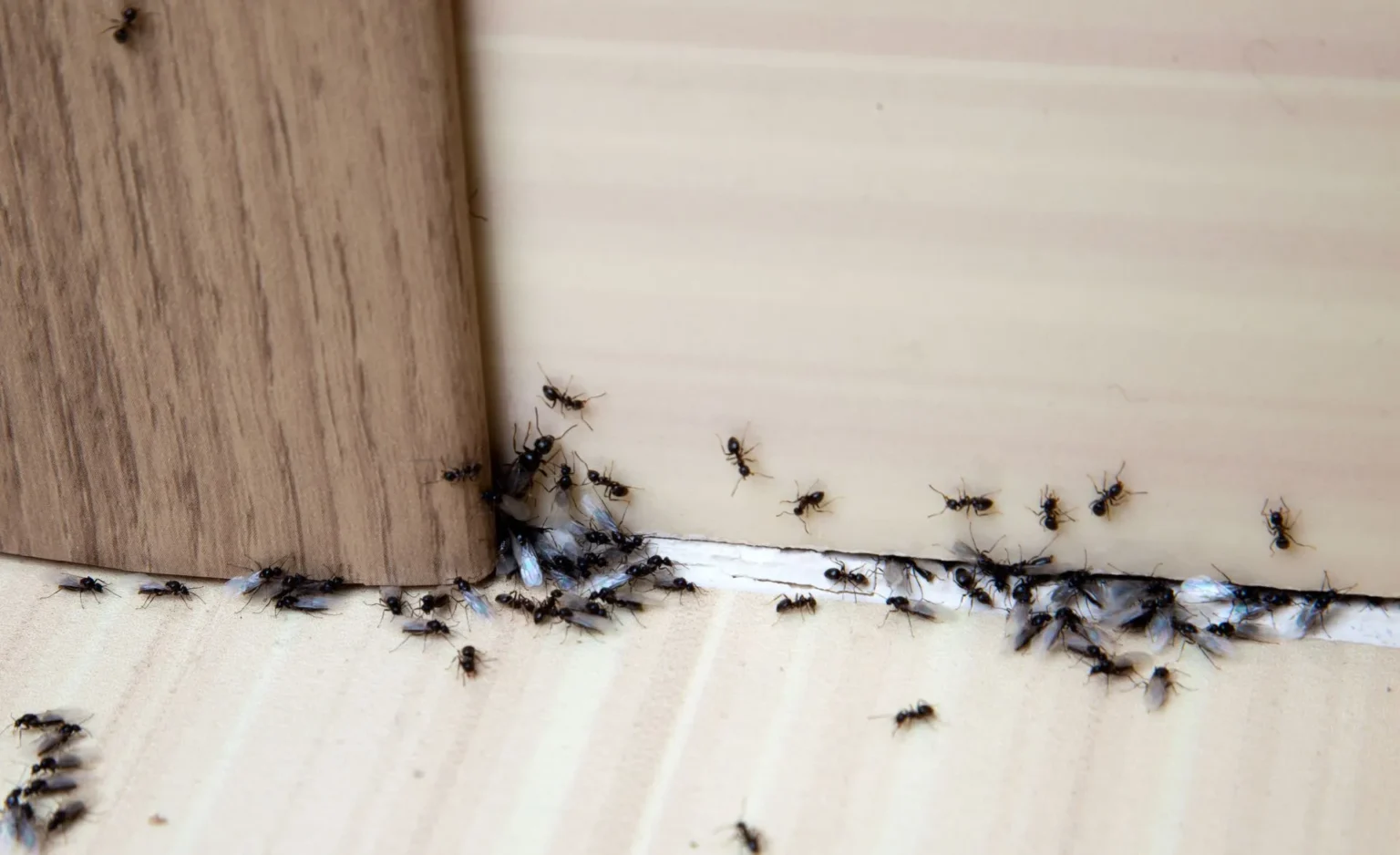

Anyone who shares a home with pets knows the calculation is never simple. You want ants gone, roaches stopped, fleas broken at the source, and rodents removed before they damage wiring or contaminate food. At the same time, you have a dog that licks the baseboards, a cat that sleeps behind the sofa, or a rabbit that spends part of the day on the floor. The usual promise of "safe when used as directed" suddenly feels too broad.
That tension is exactly where good pest control lives. Effective treatment does not have to come at the expense of your pet's well-being, but it does require more than a generic spray-and-go approach. In practice, the best pet-conscious pest control work comes from matching the pest, the property, the product, and the animal behavior inside the home. That is what separates responsible Pest Control Services from companies that rely on one script for every account.
I have seen the difference firsthand in homes where a treatment plan looked sensible on paper and still failed because no one asked the right questions. A terrier with a habit of digging near the foundation can disturb a freshly treated band of product outdoors. A senior cat with respiratory sensitivity may react badly to strong odors even when a label technically allows indoor use. A parrot in a nearby room changes the whole conversation, because birds are often more vulnerable to airborne exposures than dogs or cats. Results depend on details.
What "pet-friendly" should actually mean
The phrase gets used so loosely that it can lose value. Pet-friendly should not mean weak, all-natural by default, or somehow free of all risk. Almost nothing used to control pests is entirely risk-free under every condition. The better definition is more practical: a treatment strategy designed to reduce pet exposure while still controlling the target pest thoroughly enough to solve the problem.
That usually means several things happening at once. It means using the least intrusive effective method instead of the broadest one. It means placing material where pests travel, not where pets lounge. It means preferring crack-and-crevice treatments, void applications, baits, exclusion work, sanitation correction, and habitat modification before reaching for wide-area interior applications. It also means giving the homeowner clear reentry and cleanup instructions, then adjusting the plan if the household includes very young animals, elderly pets, reptiles, birds, or pets with known medical issues.
A good technician does not hear "I have pets" and simply repeat, "No problem, our products are pet-safe." A good technician starts asking better questions. What kind of pets? Free-roaming or crated during service? Do they lick floors? Do they have access to the garage, crawlspace entry, or yard perimeter? Are there food bowls near ant activity? Has the dog been scratching, suggesting fleas, or are the bites limited to people, which may point elsewhere? Real safety starts with real assessment.
The biggest mistake homeowners make
The most common mistake is assuming the product matters more than the plan. Homeowners often spend a lot of time trying to identify the "safest chemical" and almost no time thinking about application method, placement, timing, and follow-up. Yet those factors often do more to determine both safety and success.
Take ants, for example. In many homes, the most effective and pet-conscious approach is not spraying trails across kitchen floors. It is identifying the species, correcting food and moisture access, then using contained bait placements in inaccessible areas or secured stations where pets cannot interfere. Spraying visible ants may kill the foragers you can see, but it can also disrupt bait acceptance and prolong the problem. The safer-looking move can become the less effective one, which often leads to repeated treatments and more total product over time.
The same pattern shows up with roaches. A carefully placed gel bait inside cabinet hinges, voids, and hidden harborages usually creates less exposure than frequent baseboard spraying. With rodents, tamper-resistant bait stations placed properly outdoors or in inaccessible zones are often safer than loose bait or improvised traps. With fleas, the treatment that works best usually involves synchronized action: pet care directed by a veterinarian, treatment of indoor harborage areas, and strict vacuuming. Miss one leg of that stool and the infestation lingers.
Why integrated pest management works so well in pet households
Integrated pest management, often shortened to IPM, has become a buzzword in some marketing materials, but the underlying method is solid. It is especially valuable in homes with pets because it shifts the focus from blanket application to targeted control. Instead of asking only, "What do we spray?" IPM asks why the pest is thriving in the first place and how to remove that advantage.
In practical terms, that might mean sealing a quarter-inch gap beneath a garage side door that mice have been using. It could mean reducing irrigation near the foundation because the moisture is drawing earwigs, pill bugs, and occasional invaders that then become indoor nuisances. It might involve fixing a drip under the kitchen sink so roaches lose a dependable water source. In a yard, it may mean trimming dense ground cover away from the house so ticks and fleas have fewer shaded resting zones.
This approach is not softer. It is often more durable. When you remove access, food, moisture, and shelter, pest pressure drops in a way that chemicals alone rarely achieve. That matters in pet homes because fewer repeat treatments usually mean less disruption, less exposure potential, and better long-term control.
The pests that call for extra care
Not every pest issue carries the same level of concern around animals. Some are routine. Others need a much tighter protocol.
Flea service is one of the most sensitive categories because the pets themselves are part of the treatment picture. If a company treats the carpet but ignores whether the dog or cat is on veterinarian-approved flea control, the home may improve briefly and then rebound. Eggs, larvae, pupae, and adults do not all respond the same way at the same time. Add in the fact that pets rest in favorite spots, under beds, along sofa edges, in closets, and around heating vents, and a rushed treatment can miss key areas.
Rodent work deserves equal attention. Pets are often drawn to dead or dying rodents, trap catches, or unsecured bait. Secondary exposure concerns can be managed, but only when the program is designed carefully. Exclusion, sanitation, trap placement in protected boxes, and exterior habitat correction should all be part of the conversation. Anyone willing to toss loose bait into an attic or crawlspace in a pet household is not practicing thoughtful control.
Bed bug service can also be complicated when pets move freely from room to room. Dogs and cats are not the source of bed bugs the way they can be for fleas, but their bedding, sleeping areas, and mobility still affect prep and treatment flow. The issue is usually not direct targeting of the pet, but making sure treated areas, laundering plans, and room access are managed correctly during the service window.
Then there are homes with birds, fish, reptiles, and small mammals. Those cases require a sharper margin of caution. Birds in particular are sensitive enough that many technicians will recommend relocating them from the treatment area entirely, sometimes from the home during service depending on the materials and methods involved. Aquariums need more than a towel thrown over the top. Air pumps, filtration, and aerosol drift all matter. A provider who has handled these situations before will not treat them as an afterthought.
Natural does not automatically mean safer
This is where homeowners often get conflicting advice. Essential oil products, botanical sprays, and minimum-risk materials can have a role, but they are not universal fixes. Some smell pleasant to people and still cause irritation to pets. Some provide only short-lived repellency and do little to address a breeding population. Some work reasonably well on contact but have limited residual value. Others fail completely against entrenched infestations.
I have seen peppermint-based products used so heavily for mice that a home smelled like candy canes and still had active droppings behind the stove two weeks later. I have also seen borate dusts, silica-based products, insect growth regulators, and enclosed bait systems solve difficult problems with very little disturbance to pets because they were applied precisely and paired with exclusion or sanitation.
The better question is not whether a product is natural. It is whether it is appropriate, targeted, and used in a way that meaningfully controls the pest while minimizing exposure. Sometimes the best answer is a lower-toxicity option. Sometimes it is a conventional material used sparingly in inaccessible areas because https://sergiorken679.wordcanopy.com/posts/how-routine-pest-control-services-keep-properties-pest-free that creates a better safety profile than repeated broad applications of a "gentler" product that does not work.
What a responsible provider does differently
Quality Pest Control Services tend to follow the same professional habits, even if their product choices differ by region and pest pressure. They inspect before they prescribe. They explain why a treatment is needed, where it will go, and what your pet restrictions are before they begin. They document reentry times instead of hand-waving them. They also avoid overselling the need for indoor application when the problem can be controlled from the exterior, the entry points, or the harborage zones.
One of the strongest signs of competence is restraint. If a technician walks in, sees a few occasional invaders, and immediately proposes heavy interior treatment without discussing caulking, door sweeps, moisture correction, or outdoor conditions, that is a red flag. The best operators know that visible activity indoors often starts with something happening outside or behind the scenes.
Another sign is whether they tailor the plan to your species of pet. The conversation should change if you have cats instead of dogs, or birds instead of mammals, or a puppy that chews everything in reach. Good service is not just about the label. It is about behavior. A product applied behind a refrigerator may pose little practical concern in one home and a very different concern in another if the pet has regular access to that gap.
Questions worth asking before service day
If you are screening providers, a few direct questions can tell you a lot about how they work.
- How will you change the treatment plan because I have pets, and where exactly will materials be placed?
- Do you rely on baits, exclusion, crack-and-crevice work, or broad interior applications for this specific pest?
- How long should my pets stay out of treated areas, and what conditions need to be met before they return?
- Have you handled homes with my type of pet before, especially birds, reptiles, or animals with medical sensitivities?
- What non-chemical corrections should I make so the treatment lasts and repeat applications stay limited?
Those questions do two things at once. They give you practical information, and they reveal whether the company thinks in specifics or defaults to canned reassurance.
Inside the home, placement matters more than promises
Most indoor risk reduction comes down to placement and access. A carefully applied material in a wall void, behind an outlet cover, under a cabinet kick plate, or in a locked bait station is very different from a residue laid across open flooring where a pet eats, sleeps, and grooms itself. Even within the same product family, one application method may be entirely reasonable while another is unnecessarily intrusive.
This is why technicians who understand animal behavior tend to produce better outcomes. Cats jump. Dogs nose along baseboards. Ferrets squeeze into openings that surprise their owners. Rabbits chew trim. If you know where the animal investigates, you can avoid putting product there. If you know where the pest travels, you can hit the route without turning the room into a treatment zone.
It is also why cleanup instructions matter. In some cases, wiping treated edges too soon undermines the service. In others, food-prep surfaces should be cleaned before reuse while hidden placements remain undisturbed. The details vary. The key is that the company tells you exactly what to do and why.
Outdoors is not risk-free, but it is often the smarter battlefield
Many homeowners feel safer with indoor service than with outdoor treatments because they can see and monitor the interior. In practice, a well-designed exterior program is often the better choice in pet homes. If you reduce pest pressure before insects or rodents come inside, you can often limit or avoid interior treatments altogether.
That said, outdoor work needs care too. Dogs roll in grass, lick paws, and patrol fence lines. Cats may nap against foundations or shrubs. Treatments should avoid pet dishes, toys, favorite digging areas, and active play zones when possible. Granules should not be tossed casually where pets frequent. Rodent stations should be secured and checked. Standing water should be addressed because mosquitoes and moisture-loving pests thrive there, and wet areas can change how products behave.
I have seen excellent results from perimeter-focused programs paired with sealing utility penetrations, correcting mulch depth against the foundation, and trimming vegetation off siding. The house stayed cleaner inside, the treatment footprint stayed smaller, and the pets' routine barely changed.
Fleas deserve a separate conversation
Flea infestations are one of the best examples of why pet-friendly and effective must work together. A homeowner may be tempted to avoid treatment indoors out of concern for the dog or cat, but an active flea population can be miserable for the animal and much harder to break later. The humane answer is not avoidance. It is coordination.
The pet usually needs veterinarian-guided treatment. The home often needs targeted service, especially in resting areas, cracks along flooring, upholstered furniture margins, and shaded spots where organic debris collects. Vacuuming is not busywork here. It helps remove eggs, stimulates pupae to emerge, and improves the impact of treatment. Bedding needs repeated laundering. Yard treatment may be needed if the infestation is established outdoors in cool, protected zones.
This is one area where half-measures regularly fail. If one piece is skipped, you may still see adults emerging days or weeks later. Homeowners often interpret that as proof that treatment was unsafe or ineffective, when the real issue is incomplete control of the life cycle.
How to prepare your home without making the process harder
A little preparation goes a long way, but over-prepping can create its own problems. Bagging every object in the house, spraying store-bought products before the technician arrives, or deep-cleaning target areas right before service can interfere with what the professional is trying to do.
A cleaner, more useful prep looks like this:
- Remove pet bowls, toys, litter boxes, and bedding from treatment areas unless the technician tells you otherwise.
- Plan where pets will stay during service and for the recommended reentry period, including outdoor bathroom breaks if exterior work is being done.
- Point out favorite pet hiding spots, nap zones, and any areas where animals can access wall voids, under-appliance spaces, or the garage.
- Avoid applying over-the-counter sprays, foggers, or repellents before the visit unless the company specifically asks you to.
- Follow the written reentry, ventilation, and cleaning instructions exactly, even if the treated area looks dry sooner.
That last point matters more than many people realize. Dry time, ventilation, and cure time are not always identical. A surface can appear ready before it truly is.
When pet owners should be extra cautious
Some households need a more conservative plan from the start. Very young puppies and kittens spend more time licking surfaces and have smaller body mass. Senior pets may have reduced resilience. Animals with asthma, seizure disorders, skin disease, or recent illness may require more stringent avoidance and closer coordination with a veterinarian. Birds deserve special planning almost every time. So do homes with aquariums and free-roaming exotics.
There is also a practical issue many people overlook: medications and food interactions. If your pet is already on flea or tick prevention, tell the technician. If your dog receives frequent treats outdoors in a specific area, mention that too. The goal is to map not just where the pests are, but where your pet's routine creates repeated contact with the environment.
Results improve when expectations are realistic
Pet-friendly pest control is not instant in every case. Some pests, such as roaches or fleas, often require staged improvement rather than overnight elimination. Bait-driven programs can take time to distribute through a population. Exclusion work may solve the source but leave a short period where trapped-out or stranded pests are still noticed. Outdoor pressure changes with weather, irrigation, and neighboring properties.
That is not a flaw. It is what honest service looks like. Be wary of promises that everything will be gone immediately with no prep, no follow-up, and no behavior changes in the home. Sustainable control usually includes at least some homeowner participation, whether that means sanitation, clutter reduction, pet bedding management, or fixing structural gaps.
The good news is that households with pets often become better candidates for long-term control once everyone gets aligned. Pet owners tend to notice patterns quickly. They know where the dog scratches, where the cat stares at the wall void, where crumbs collect under the feeding station, and where wildlife visits the fence. That information is gold to a competent technician.
The best outcome is often quieter than people expect
When pet-friendly Pest Control Services are done well, the result is rarely dramatic. There is no heavy smell lingering through the house, no visible residue where the dog sleeps, no mystery powder in corners, no vague reassurance that "everything is safe now." Instead, you get a targeted plan, clear boundaries, fewer pests, and a home that functions normally again.
That is the standard worth aiming for. Not zero chemistry under all circumstances, and not maximum treatment for the sake of looking aggressive. The goal is thoughtful control, shaped around how pests behave and how pets live. When those two realities are respected at the same time, you do not have to choose between protecting your animals and solving the infestation. You can do both, and do both well.
Affordable Pest Solutions LLC
Phone number: +19732299547
FAQ About Pest Control Services
How much does pest control charge?
For a standard 1,500-square-foot home, professional pest control charges generally average $100 to $300 for an initial visit, with ongoing monthly services running $40 to $75 per visit and one-time emergency exterminations costing $100 to $600, depending heavily on the specific pest and the severity of the infestation.
What is the hardest pest to get rid of?
Bed bugs are widely considered the hardest household pest to get rid of, closely followed by German cockroaches and subterranean termites.
What is included in a pest control service?
A standard pest control service includes a property inspection, targeted treatments, and prevention advice. It typically covers common pests like ants, spiders, and cockroaches, using sprays, baits, or traps.